Smartphones
Mid-Range vs Flagship in 2026: 4 Honest Matchups
TechKitchen · May 8, 2026
The gap between a $400 phone and a $1,200 phone has never been smaller. Here is where flagships still earn the price tag, and where they do not.
Mid-Range vs Flagship in 2026: 4 Honest Matchups
The gap between a $400 phone and a $1,200 phone has never been smaller. Here is where flagships still earn the price tag, and where they do not.
Let me save you a thousand bucks.
I have been testing phones for a decade. Full disclosure: I spent two years as a Samsung exclusive influencer and I currently work part-time at a carrier. And I can tell you with a straight face that 2026 is the first year where buying a flagship feels like a flex, not a necessity.
That used to be a hot take. It is not anymore. Mid-range phones in 2026 are doing things that flagships could not do two years ago: 200MP cameras, 120Hz AMOLED screens, silicon-carbon batteries, and fast charging that outpaces most $1,000 phones. The hardware gap closed while we were all busy arguing about it on TikTok.
So the question is not “is this phone good.” Almost all of them are. The question is: what do you actually get when you spend an extra six hundred bucks? Let us go through it.
What Actually Changed in 2026
Before we get into specific phones, here is the part nobody wants to admit: the budget tier got really, really good while the flagship tier coasted.
Three things drove it. First, Chinese OEMs finally pulled bigger battery tech down into the $300 to $500 price band. Second, computational photography got so good that mid-range cameras with smaller sensors now produce photos that would have felt flagship-tier a couple years ago. Third, the chip companies ran out of everyday “wow” upgrades. Your TikTok still loads fast either way.
Where flagships still win: build quality you feel in your hand, low-light photography, the long zoom lenses, longer software support windows, and the stuff that does not show up on a spec sheet, like vibration motors, speaker tuning, and display calibration. Real, but smaller than the price gap suggests.
Google Pixel 9a vs Pixel 10 Pro
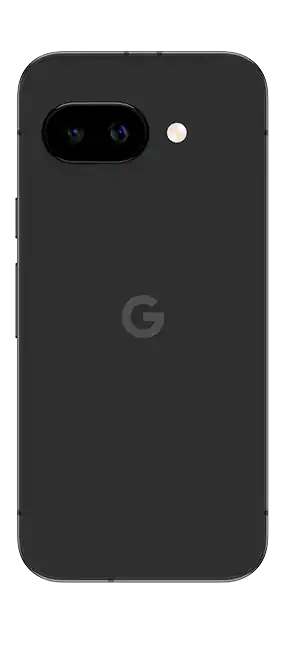
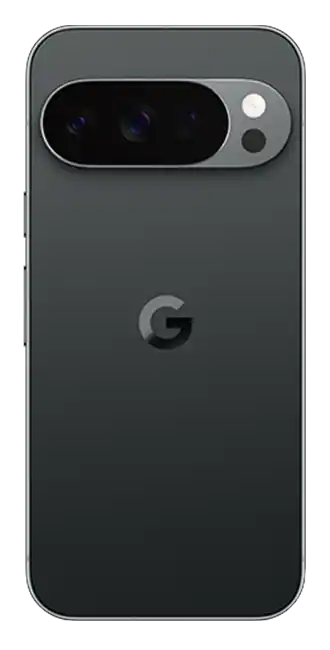
This is the cleanest example of the whole argument. The Pixel 9a gets the Google software experience, the AI tools people actually use, long update support, Magic Eraser, Call Screen, and the whole everything-Google package.
What you give up at $499: the telephoto lens, the brighter display, and the glass-and-aluminum body. The 9a is plastic. It looks fine. It feels fine. It is plastic.
Battery life on the 9a is also a real reason to pay attention. Charging is slower, but if you charge overnight you may never notice.
If you are a regular Pixel user (texts, photos, scrolling, occasional video), the 9a is the better buy. The Pro is for people who actually use the telephoto lens, and most people do not. Save the money and put it toward something else.
OnePlus Nord CE 6 vs OnePlus 13
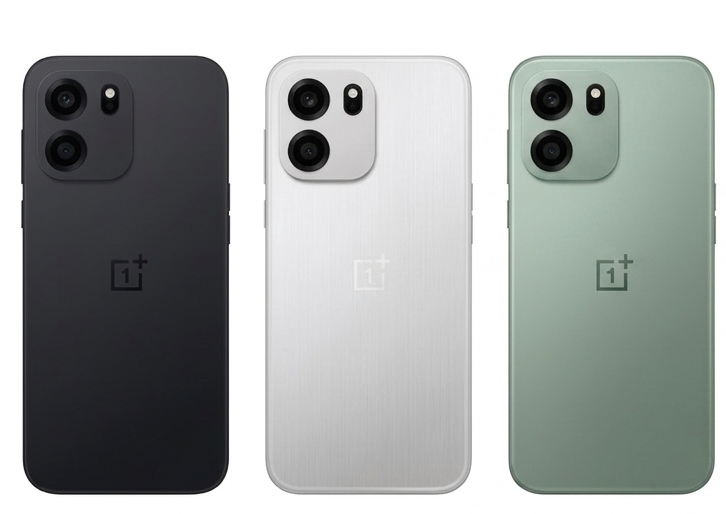
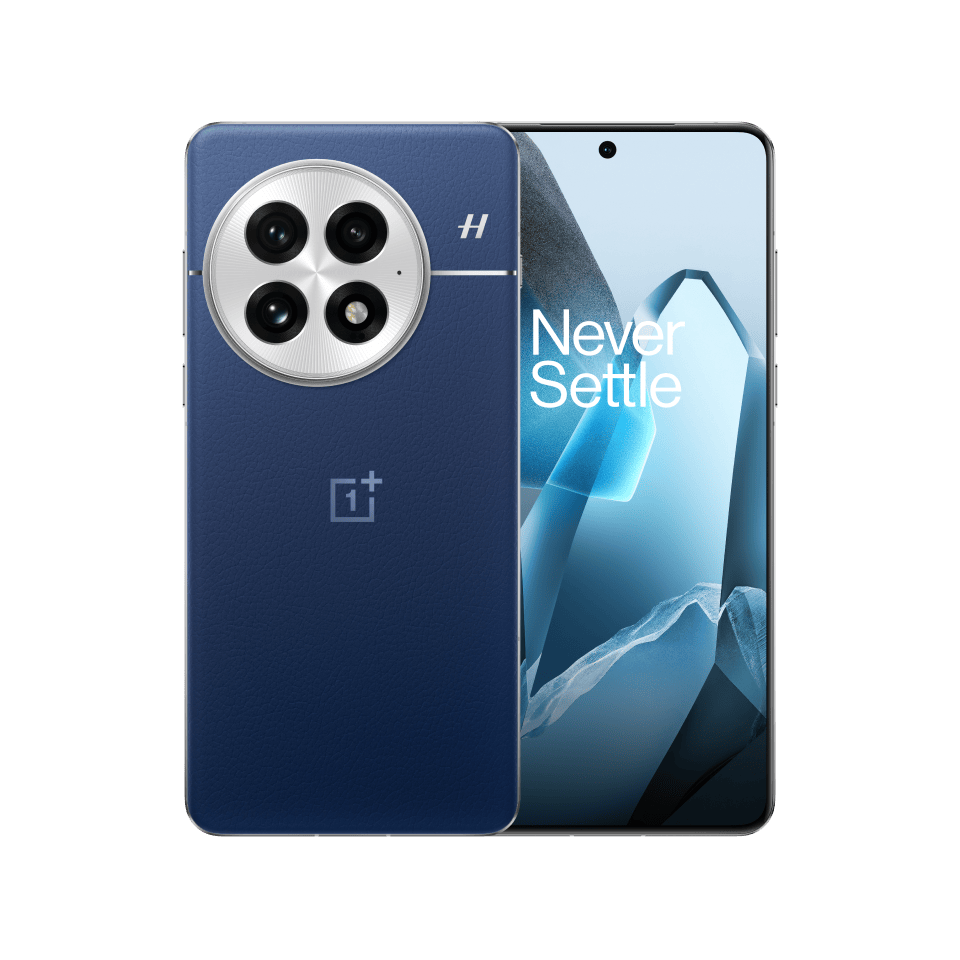
OnePlus is the brand most likely to make you angry at flagship pricing. The Nord CE 6 is the type of phone that makes people ask why flagship batteries are not bigger yet.
The OnePlus 13 has faster charging, a more serious camera system, a brighter display, and a more premium build. It is a fantastic phone. But if the mid-range model lasts longer on a charge, that is not a small thing. That is the thing most normal people complain about every week.
Where the 13 earns its price: the cameras are genuinely better in low light, the build is glass and metal, and the haptics feel more premium. But for the average user, the Nord CE line is a stupid amount of phone for the money.
Buy the Nord-style mid-range OnePlus unless you are a phone photographer. The battery story alone makes the cheaper phone hard to ignore.
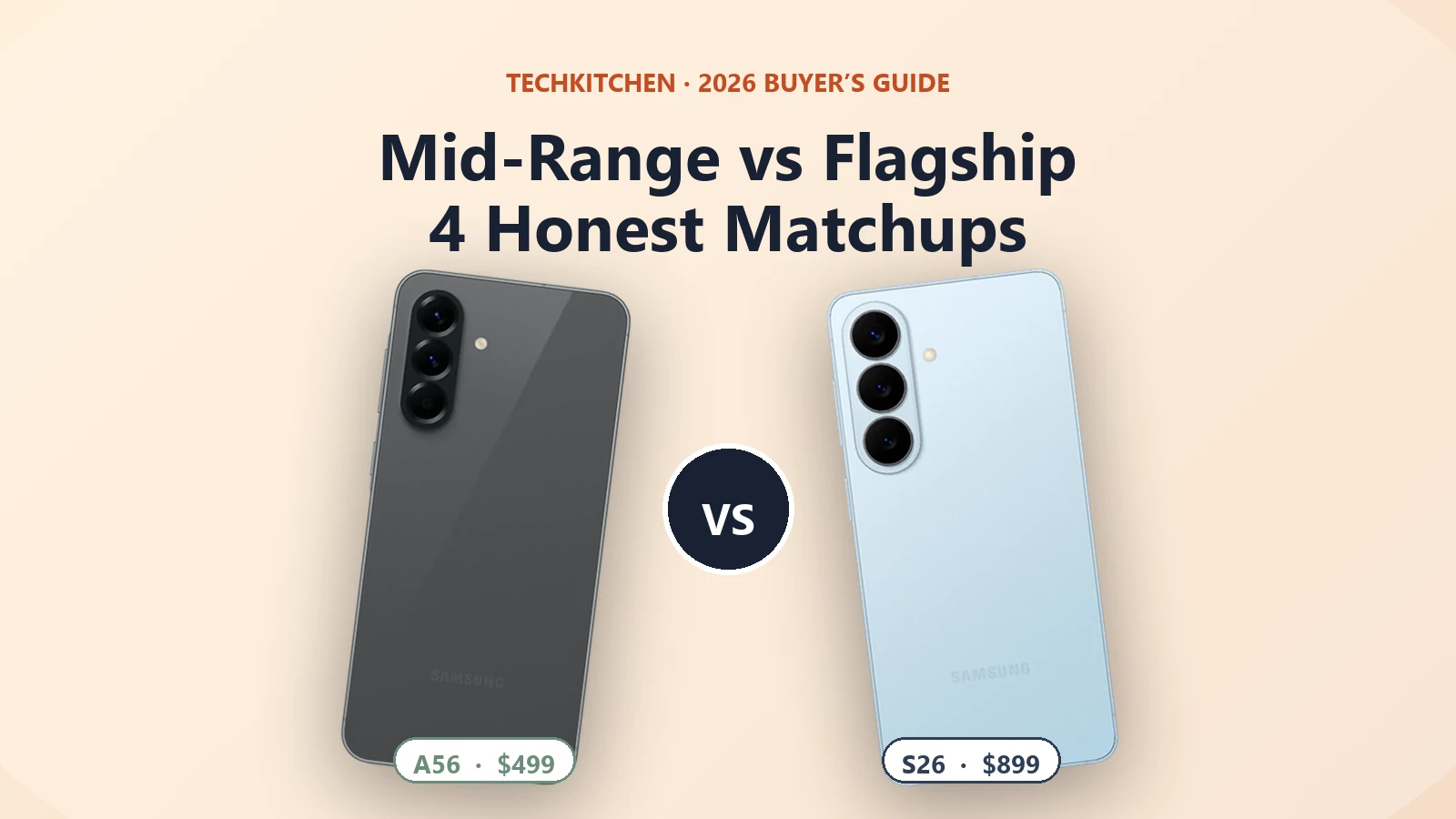
Samsung Galaxy A56 vs Galaxy S26
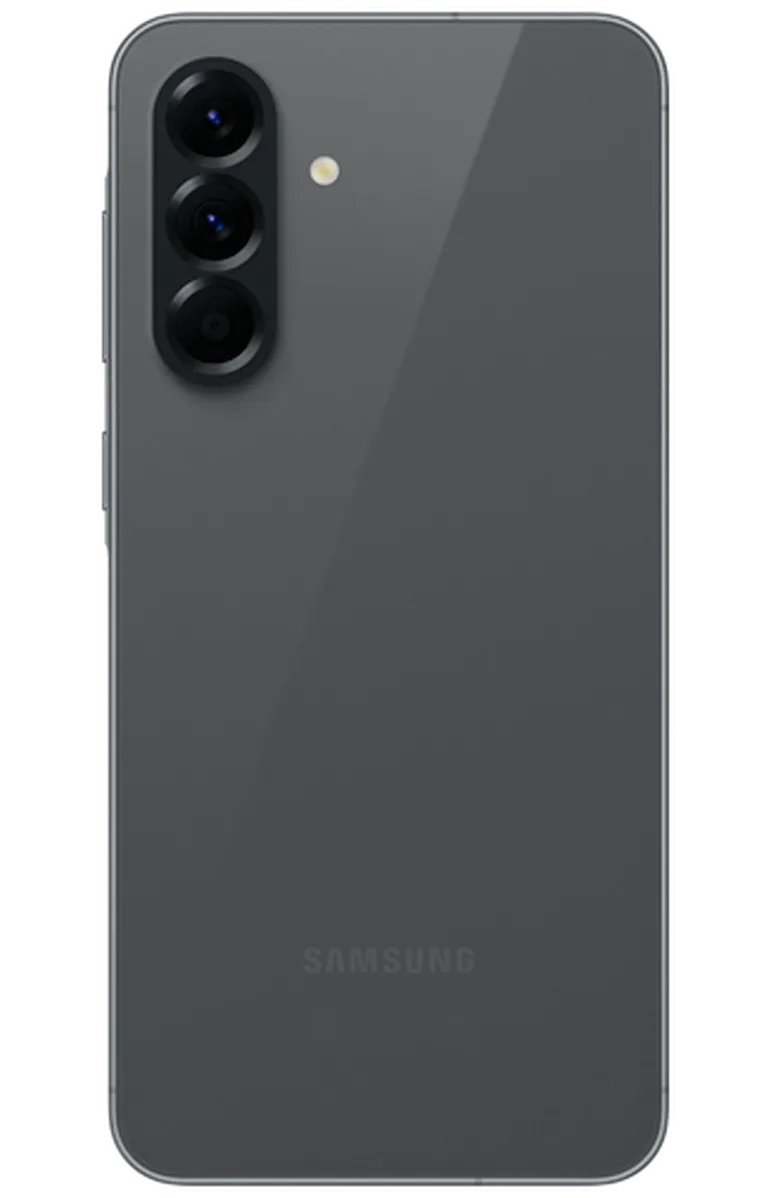
This is the matchup my Samsung audience is going to argue with me about. Hear me out.
Samsung's One UI experience has effectively erased a lot of the software gap. Galaxy AI features that used to be S-series exclusives have been moving down the lineup. Both phones give you a clean Samsung experience, high refresh AMOLED, and the kind of day-to-day polish most people are actually buying.
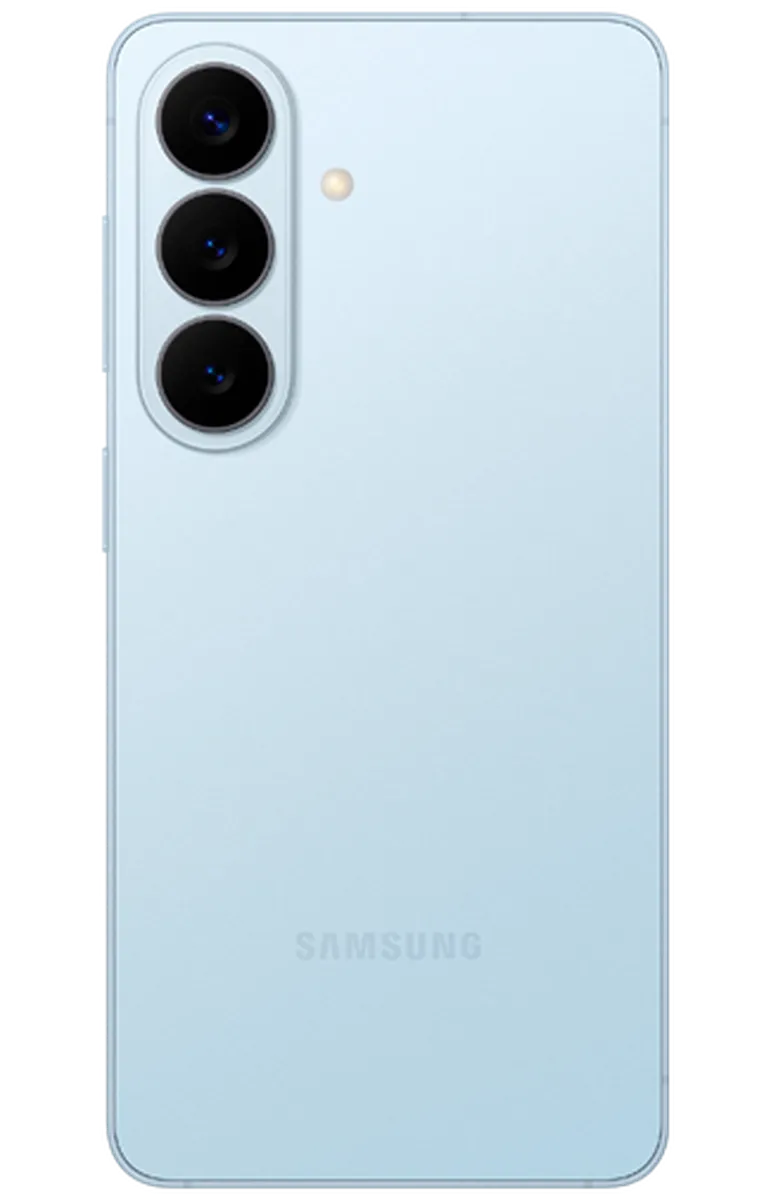
The S26 has the better cameras, the faster flagship chip, faster charging, and the premium build. It is noticeably nicer in the hand. The A56 is the practical pick, with a slower chip and less impressive zoom.
But here is the thing: most Samsung owners I know upgrade to a new Galaxy every two years anyway. If you are on that cycle, the A56 makes way more sense. You are paying for the badge, not the longevity.
If you are a buy-and-keep-for-four-years person, the S26 wins on long-term value. If you upgrade every two years, the A56 is the smarter pick. The software experience is closer than the price suggests.
iPhone 16e vs iPhone 17 Pro
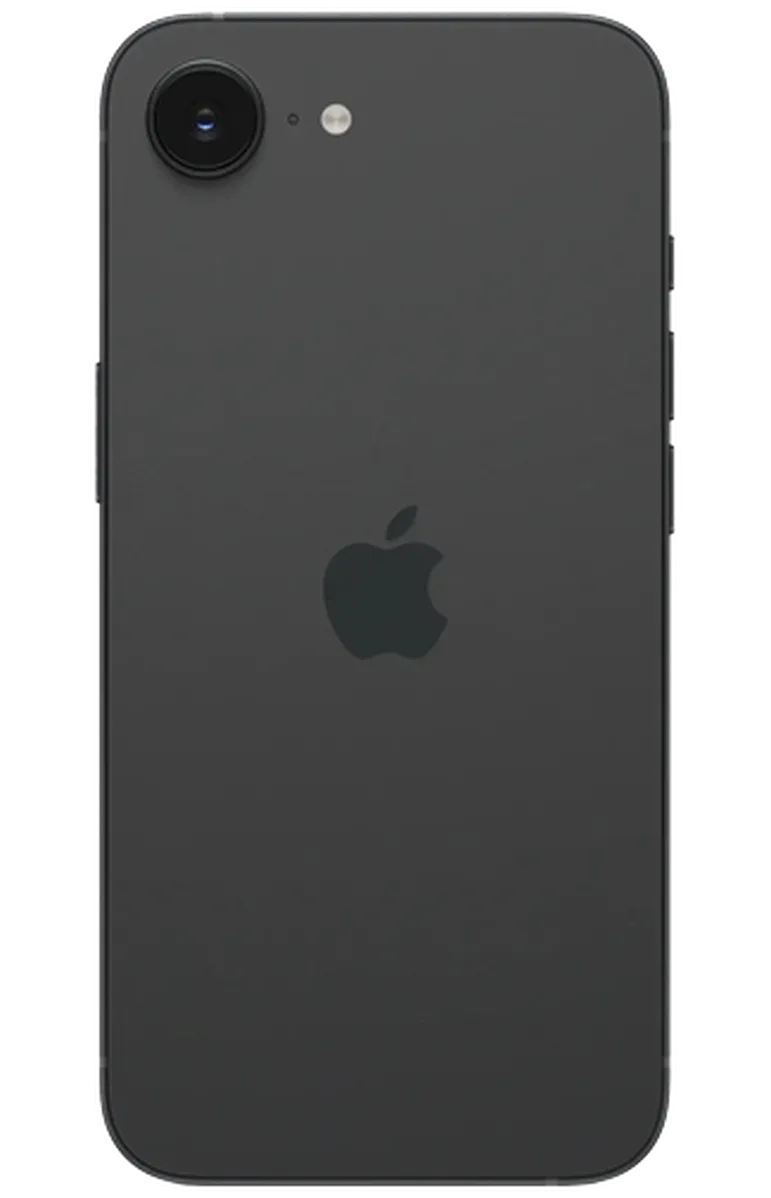
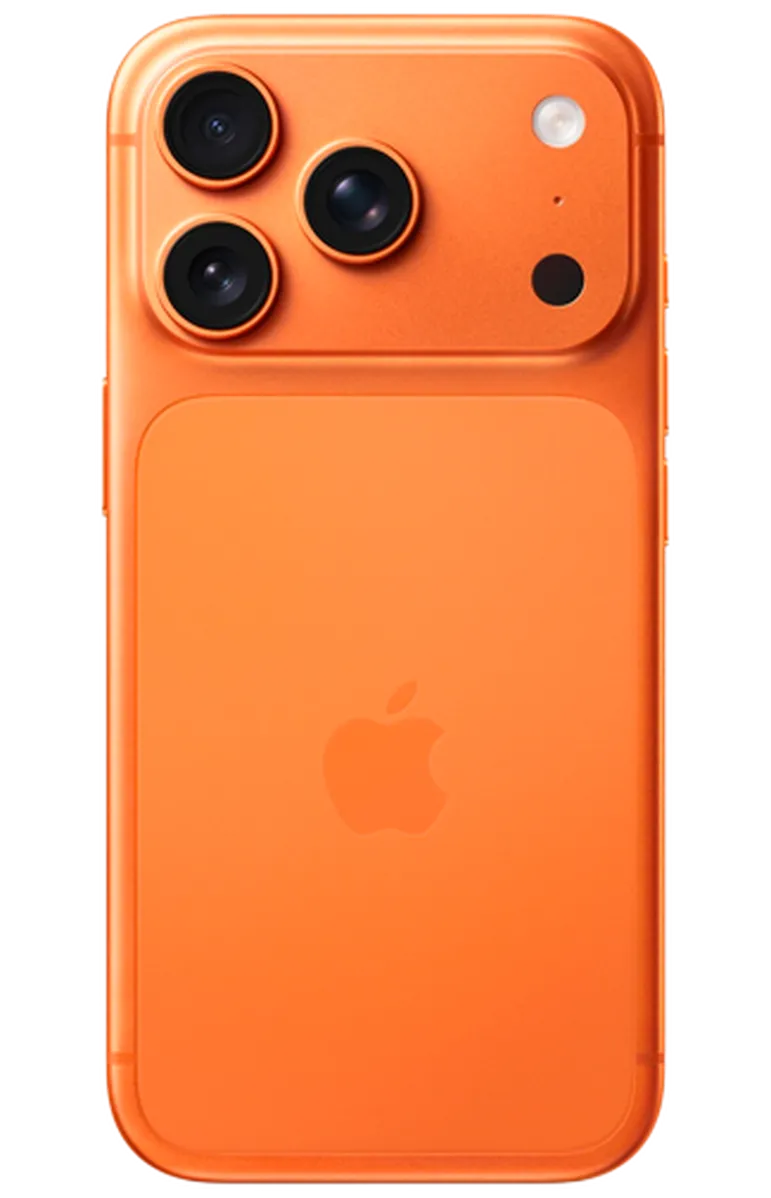
Apple is the trickiest comparison because the gap is real. The 17 Pro has the Pro chip, ProMotion, the triple-camera system with the long telephoto, and the premium build. The 16e has the simpler camera setup and a less premium display experience.
So why include it? Because both phones are still iPhones first. If you are reading this on iPhone, 90% of what you do every day is Messages, Safari, Camera, Photos, and one or two apps. The cheaper iPhone handles that just fine.
The 60Hz screen is the one that will bother you most after coming from a Pro. ProMotion is genuinely nice. But it is not $500 nice for most people.
The iPhone gap is the biggest of the four matchups in this article. If you are a heavy iPhone user (gaming, video editing, photography), the 17 Pro is the only one of these flagships I would actively defend at full price.
Apple's $500 gap buys real hardware: ProMotion, telephoto reach, and the titanium build. If those are not on your list, the 16e is still a real iPhone.
So When Should You Buy a Flagship?
I am not anti-flagship. I own one. They are great. But here is my honest checklist for when the price tag is justified.
Buy the flagship if
- You keep your phones five-plus years.Flagship software support and better hardware headroom matter more if you are buying once and holding.
- You shoot a lot of photos in low light.Computational photography has narrowed the gap, but flagship sensors and image pipelines still pull ahead in dim restaurants, concerts, and night shots.
- You actually use the long zoom.The 5x or 10x telephoto on a flagship is a real feature, not a spec-sheet flex, but only if you use it.
- You game seriously.The flagship chips run cooler under load. If you play emulators or graphics-heavy games for hours, this matters. If you play Wordle, it does not.
That is the whole list. Notice what is not on it: web browsing, social media, messaging, video calls, and taking decent everyday photos. All of that is solved well below flagship pricing.
The Real Answer
The honest take in 2026: most people should be buying mid-range. The flagship market exists for two groups: power users who legitimately push the hardware, and people who want a status object. Both are fine reasons. They are just different reasons than “I need it to text my mom.”
If you are in the market right now, the matchups above will save you the most money: Pixel 9a, OnePlus Nord CE 6, Galaxy A56, iPhone 16e. Any of those will do 95% of what a flagship does, for half the price.
Or buy the flagship. It is your money. Just do not let anyone tell you that you need it. You do not.
My Take, In One Scroll
Most people should be buying mid-range in 2026.